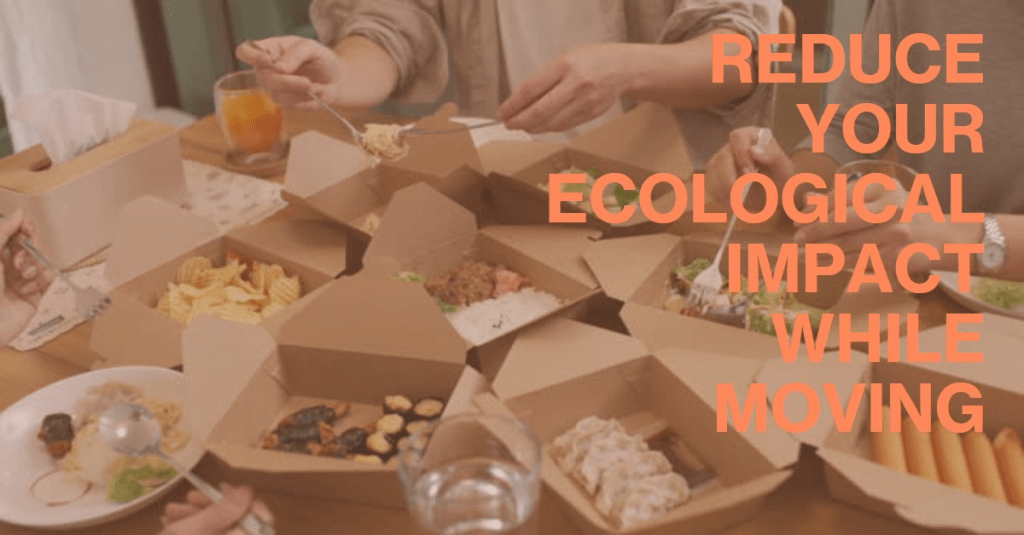
A Furniture Move is generally accompanied by a significant ecological impact. Moving trucks, plastic packaging, and multiple trips contribute to pollution and overconsumption of resources. However, there is a solution that can reduce this impact while saving money: shared moving. This practice not only reduces the number of vehicles on the road, but also promotes the efficient use of space and resources. In this article, we will explore the concept of shared moving in detail and provide you with a practical guide to a successful green Furniture Move.
Understanding the Concept of Shared Moving
Shared moving, also known as collaborative moving , is an innovative approach. This involves grouping together the needs of several people moving in the same geographic direction. So rather than reserving an entire moving truck for yourself, you share cargo space with other Furniture Furniture Furniture Move with similar destinations. This helps reduce costs and carbon footprint .
By practicing shared moving, you only reserve the space you need in a moving truck. In addition, you share the costs between the participants. This means you save money while helping to reduce carbon emissions because a single truck is used for multiple Furniture Moves. Additionally, shared moving offers a more economical solution for smaller Furniture Moves or people on tight budgets.
Ecological Benefits of Shared Moving
Shared moving offers a range of considerable environmental benefits. In fact, it reduces the number of vehicles on the road . Thus, it contributes to reducing greenhouse gas emissions . Fewer trucks mean less traffic congestion and better air quality. Additionally, sharing packaging and transportation costs promotes more efficient use of resources, reducing overproduction of packaging materials.
When you opt for shared moving, you are taking a concrete step towards reducing your impact on the environment. Not only are you helping to protect the planet, but you are also setting an example for others and encouraging them to follow your path.
Practical Steps for an Eco-Friendly Shared Furniture Move
Planning is essential to ensure the success of your shared Furniture Move while minimizing its environmental impact. First, you must identify your needs for your Furniture Move. Therefore, determine the quantity of items you will be moving and note any large or fragile items requiring special attention. This step will help you choose the right sharing volume in the shared moving truck.
Next, look for furniture moving partners . You can use online platforms dedicated to shared moving to find people with similar needs. You can also request quotes from several moving companies and ask if they offer shared moving services. Once you have identified potential partners, contact them to coordinate the details of your Furniture Move.
Additionally, be sure to plan the Furniture Move in advance. Coordinating with other people can be time consuming, so allow plenty of time to organize the details. Establish a clear schedule for moving day and make sure everyone is on the same page when it comes to schedules and responsibilities.
Responsible Packaging
A key aspect of any Furniture Move, including shared moving, is packing your belongings responsibly. This involves minimizing waste and reducing the use of disposable packaging materials .
To start, try using reusable packaging materials. So opt for sturdy cardboard boxes and reusable packaging. Thus, at your level, you will help to avoid the overproduction of packaging waste. You can also use towels, blankets or clothing to protect your fragile items instead of bubble wrap.
Where possible, avoid non-recyclable packaging materials. Opt for eco-friendly options. Also be sure to recycle any materials that can be recycled. This will help reduce the amount of waste generated during your Furniture Move.
Waste Management and Sorting
An eco-friendly Furniture Move involves good waste management. The goal is to minimize the amount of waste generated and maximize recycling and reuse.
Before you start packing, take the time to sort your belongings. Identify items you no longer use or don’t want to take with you. You can sell them, give them away or recycle them. Reducing the quantity of items to be Furniture Moved will automatically reduce the volume of waste.
During your Furniture Move, save reusable packing materials. These can be boxes, covers and straps. You can keep them for your future needs. You also have the option of lending them to friends who are moving, or donating them to local organizations or people who need them. Reusing these materials extends their lifespan and reduces the demand for new materials.
 Moving UAE